
LION PHOTOGRAPHY: CAPTURING LION MAJESTY
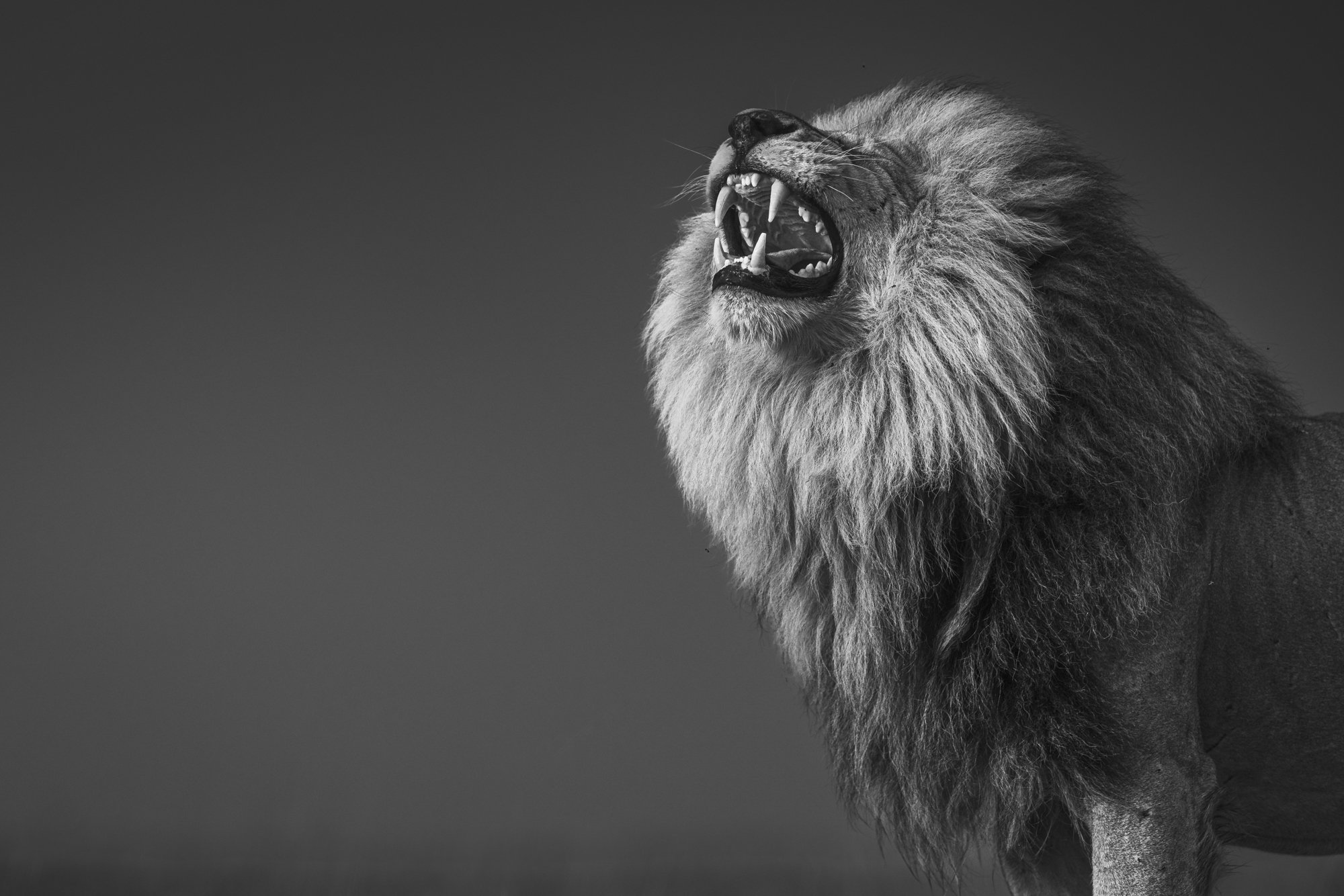
Portrait of a Lion King
LION PHOTOGRAPHY: MY JOURNEY
Leopards may be beguiling. Cheetahs awe inspiring in full hunting mode. But seeing a male lion out on the plains or on top of a kopje, there’s no other word than magnificent.
However, lion photography and capturing lion majesty is not as easy as it may seem. I have travelled to the Mara, the Serengeti and other parts of Africa extensively over the last 20 years, in pursuit of some print worthy images of lions. To be honest I only have a handful of images that I am happy with and the ones in this blog are some of the best.
So, I thought it would be useful to outline some tips for lion photography, what I’ve learnt over the last two decades and what I’m looking to do when I’m in the field spending time with these magnificent big cats.
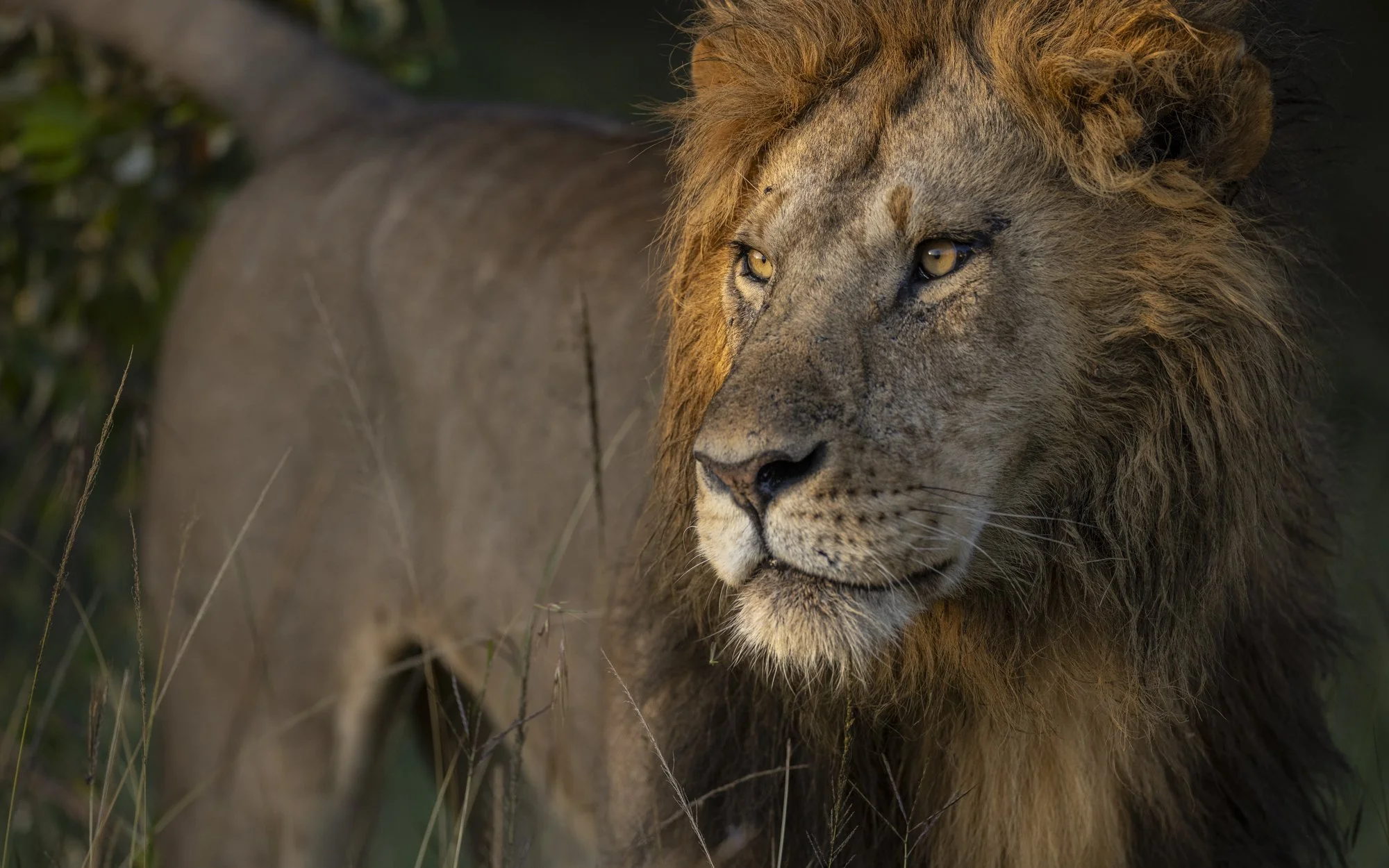
Portrait of Lion King Nyekundu taken at Kicheche Bush Camp
PHOTOGRAPHY TIPS FOR LION PHOTOGRAPHY
1) Black and White Lion Photography
Think Black and White for creating timeless and evocative images of lions, especially when you can use the landscape and environment as an added element to anchor the lion in its habitat.
For black and white lion photography to work best, contrast is key. When I see I moody sky, or clouds building up, I get very excited, as I know that if I see lions in these conditions there is potential for strong contrast. Contrast can also be enhanced in post processing through the blue and green channels and also lifting out the tones in the lion.
So, if your guide has located the lions and the environment and landscape are working harmoniously to create some strong contrast then I know I have the potential for a black and white photograph of a lion that captures their majesty. The images below of lions on the kopjes and roaming the plains are some of the most powerful that I have in my portfolio. However, there’s always room for improvement.
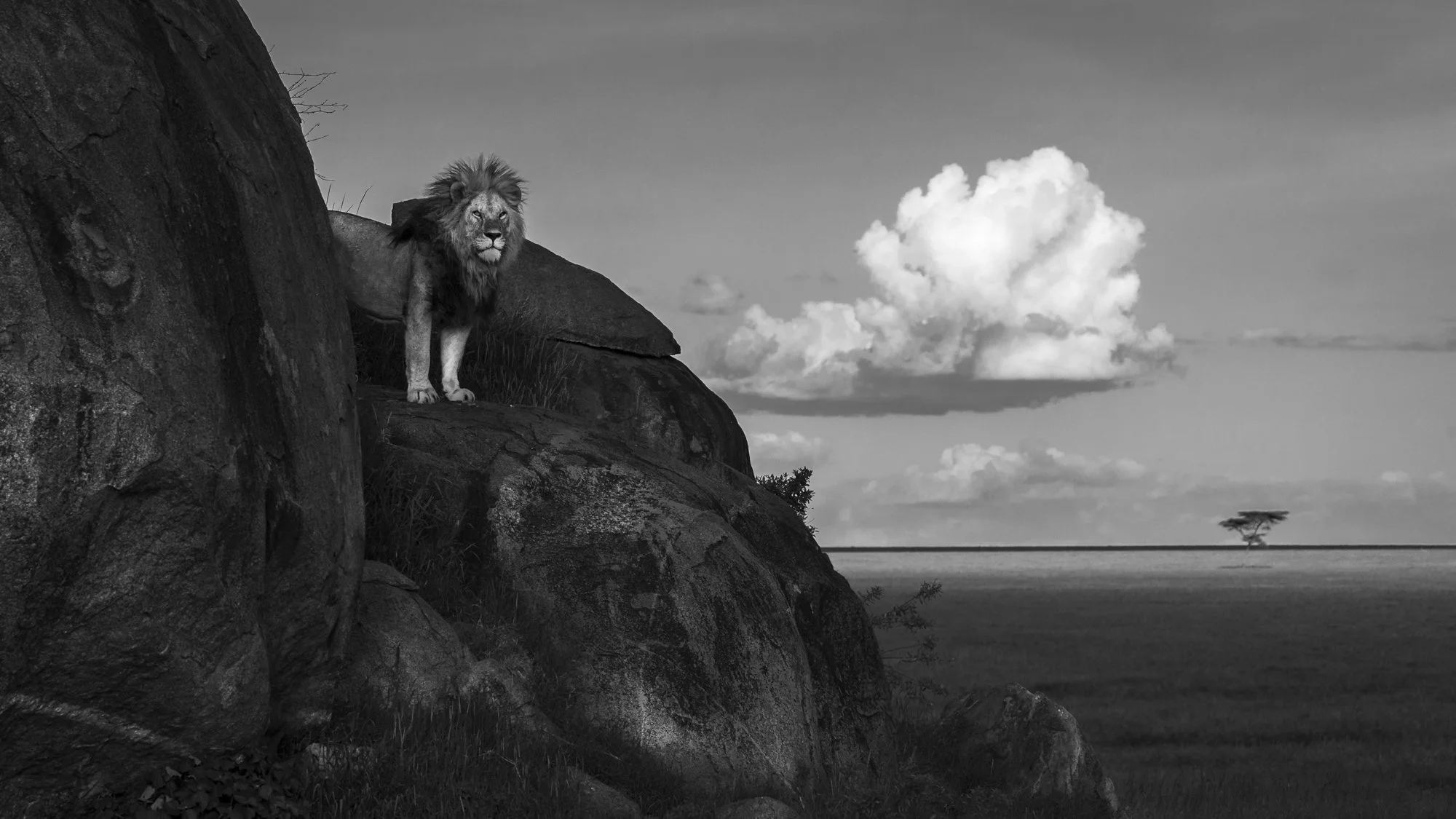
Image of Male Lion on kopje in Serengeti- “Regal Entrance”
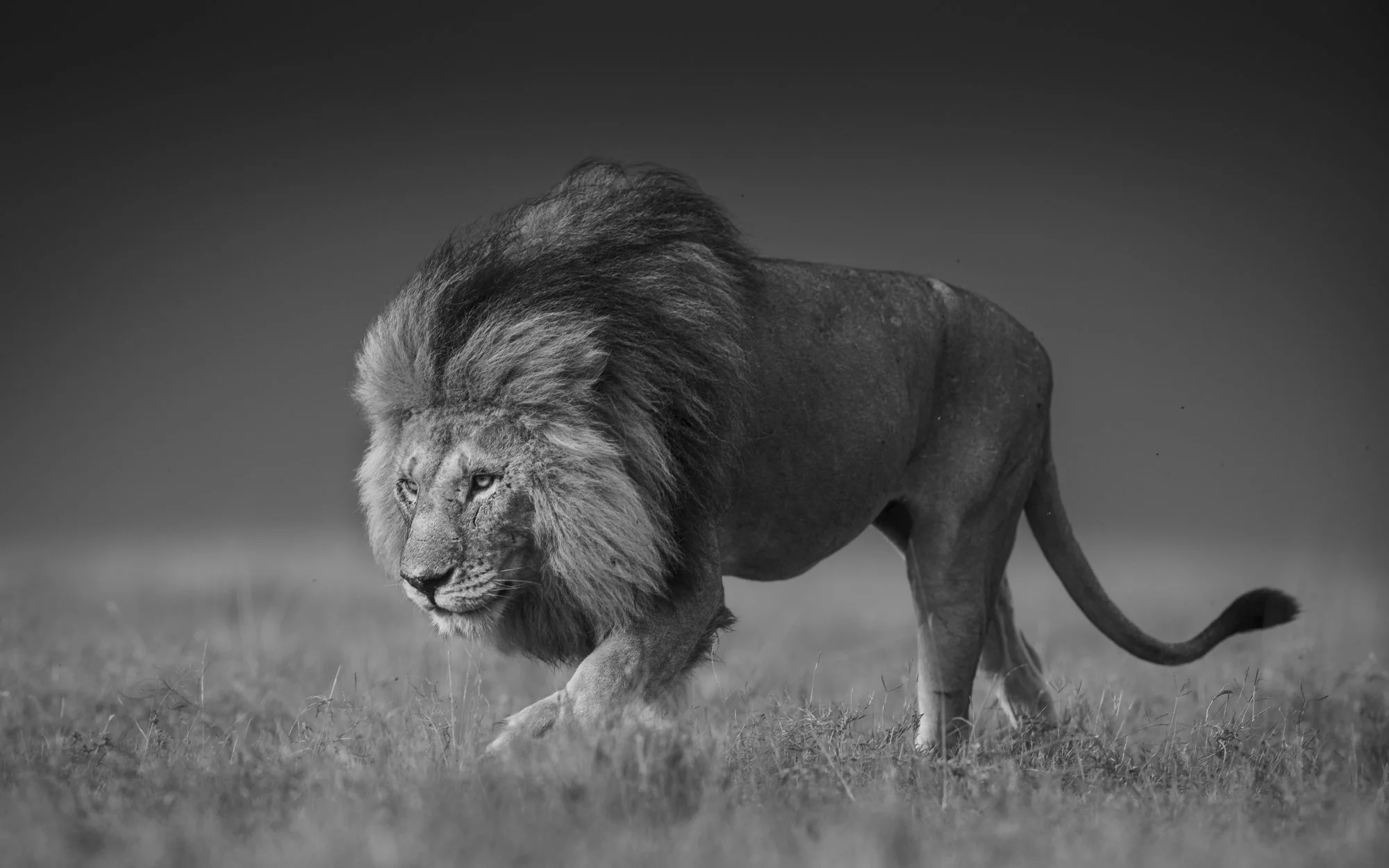
Photo of Male Lion on the Serengeti Plains
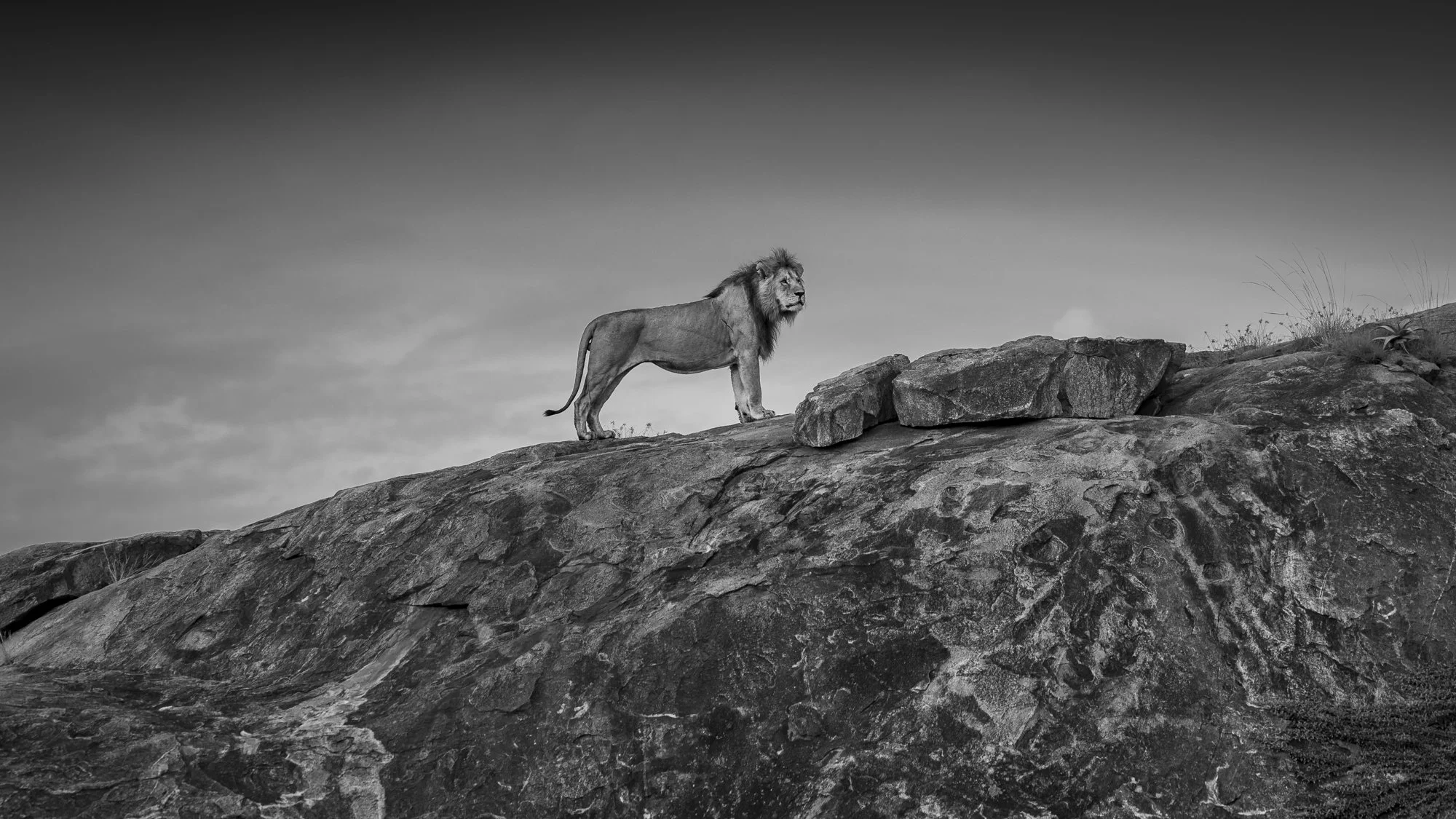
Image of a Lion King on a kopje
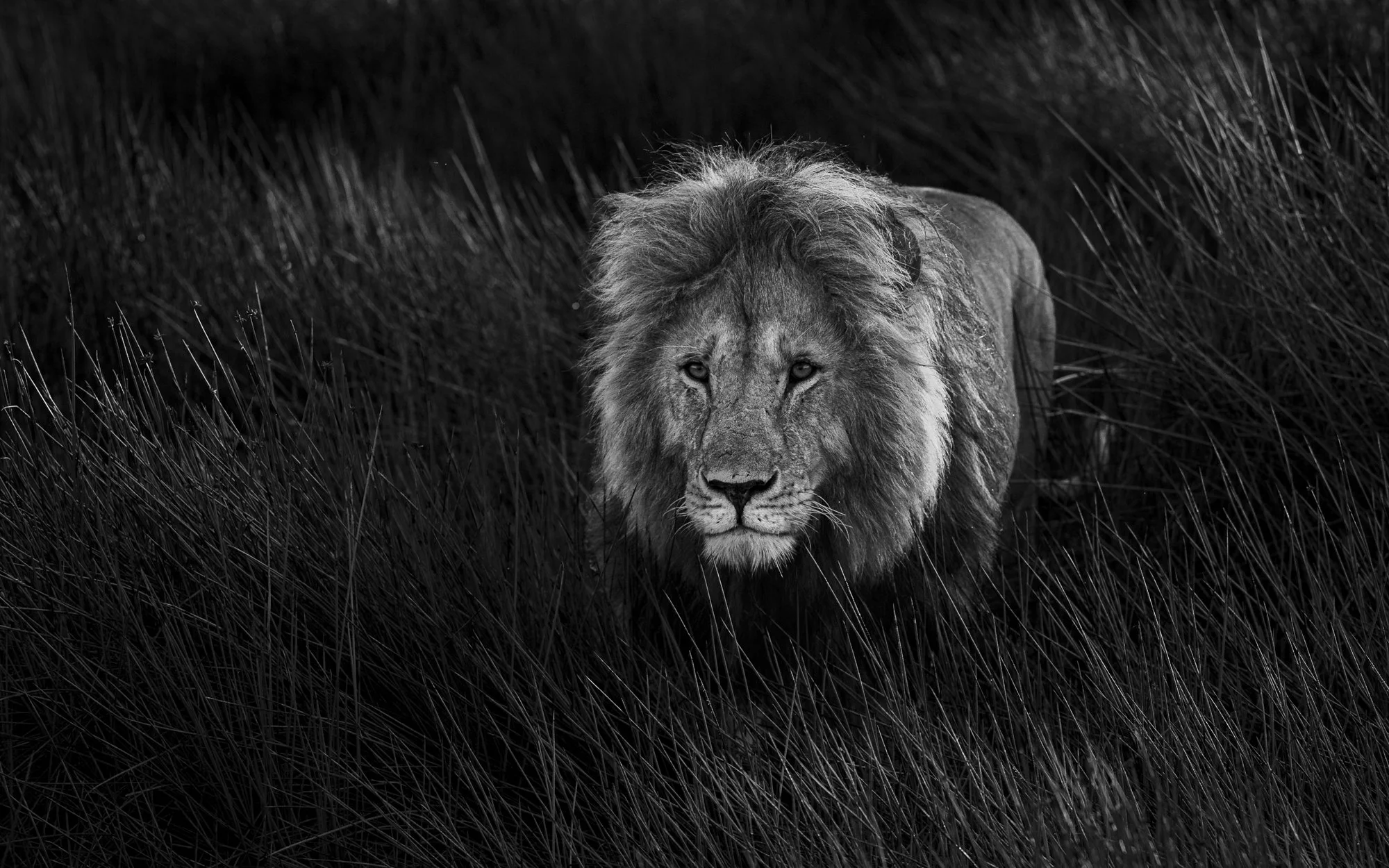
Image of Male Lion in long grass
2) lion king photography- getting low
Over the last few years, I have made good use of photography vehicles to get a lower perspective with my subject such as Elephants, Giraffe and Cheetahs. However, with lions, for safety reasons hanging out of the vehicle wouldn’t be advisable. That’s where a monopod can become very valuable.
I must admit it’s only in the last year I have been using my monopod and my mirrorless camera to get low angle shots, and whilst it can be hit and miss at times, when you get it right the resulting images are much more satisfying. Whether it’s a lion, elephant or cheetah, this low perspective, where the camera is essentially on or low to the ground, can enhance the stature of the lion and give you a 3D image, especially if you are shooting wide open so the background is thrown out of focus.
You can also experiment with different lens choices. The image below was shot with R5II + 70-200 F2.8, but the impact of using a 16-35 lens when a lion is approaching, so you can anchor the lion and landscape together, can be breathtaking. I have seen the work of other photographers that reflect what I am looking to achieve, so I will continue to push myself to make the most of future opportunities.
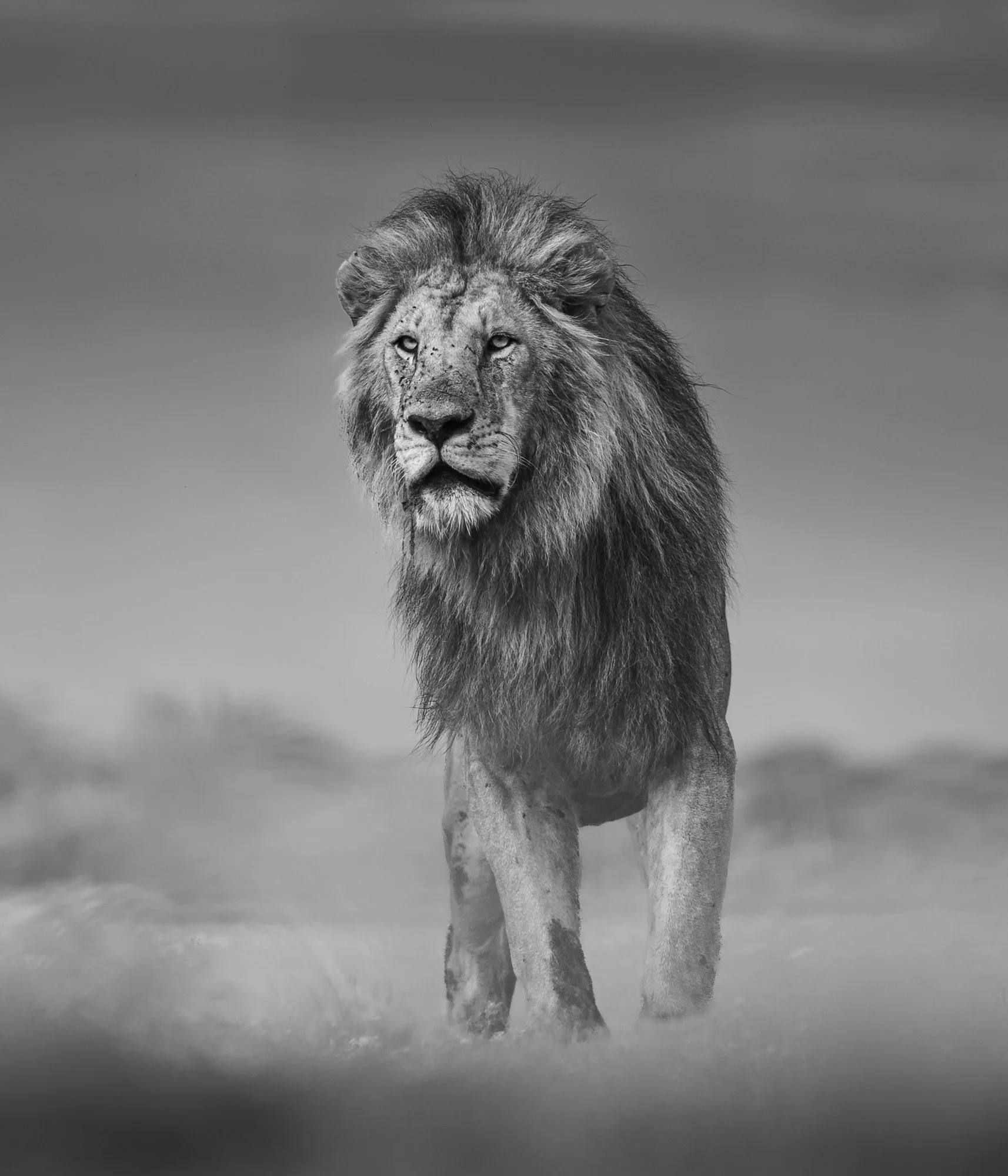
Image of Lion King in Serengeti
3) LION PHOTOGRAPHY- SHOOT WIDE OPEN AT HIGHEST FRAME RATE
As most of my lion photography is either early morning or making use of the late afternoon golden light, I shoot wide open to achieve not only the best shutter speed and lower ISO, but more importantly throw the background and foreground detail out of focus. Your attention should be fixed on one thing, and one thing only. The Lion.
In some ways getting a lion sharp and in focus is the easiest part. However, getting a great image where everything aligns is another matter. Anyone who has spent significant time with lions knows that when lions are on the move, their eyes are often shut or they are looking down, so getting eye contact with a lion is not easy.
Then there’s the paw position. Ideally you want the leading foot forward and have visibility on all four legs. I can’t tell you how many times I’ve got good eye contact with a lion, but the feet positions aren’t right. This is also true of many other species such as Polar Bears and Elephants.
That’s why I always shoot on my highest frame rate. It can be a pain when editing, but it gives you the highest possible chance to get the perfect frame, or close to it.
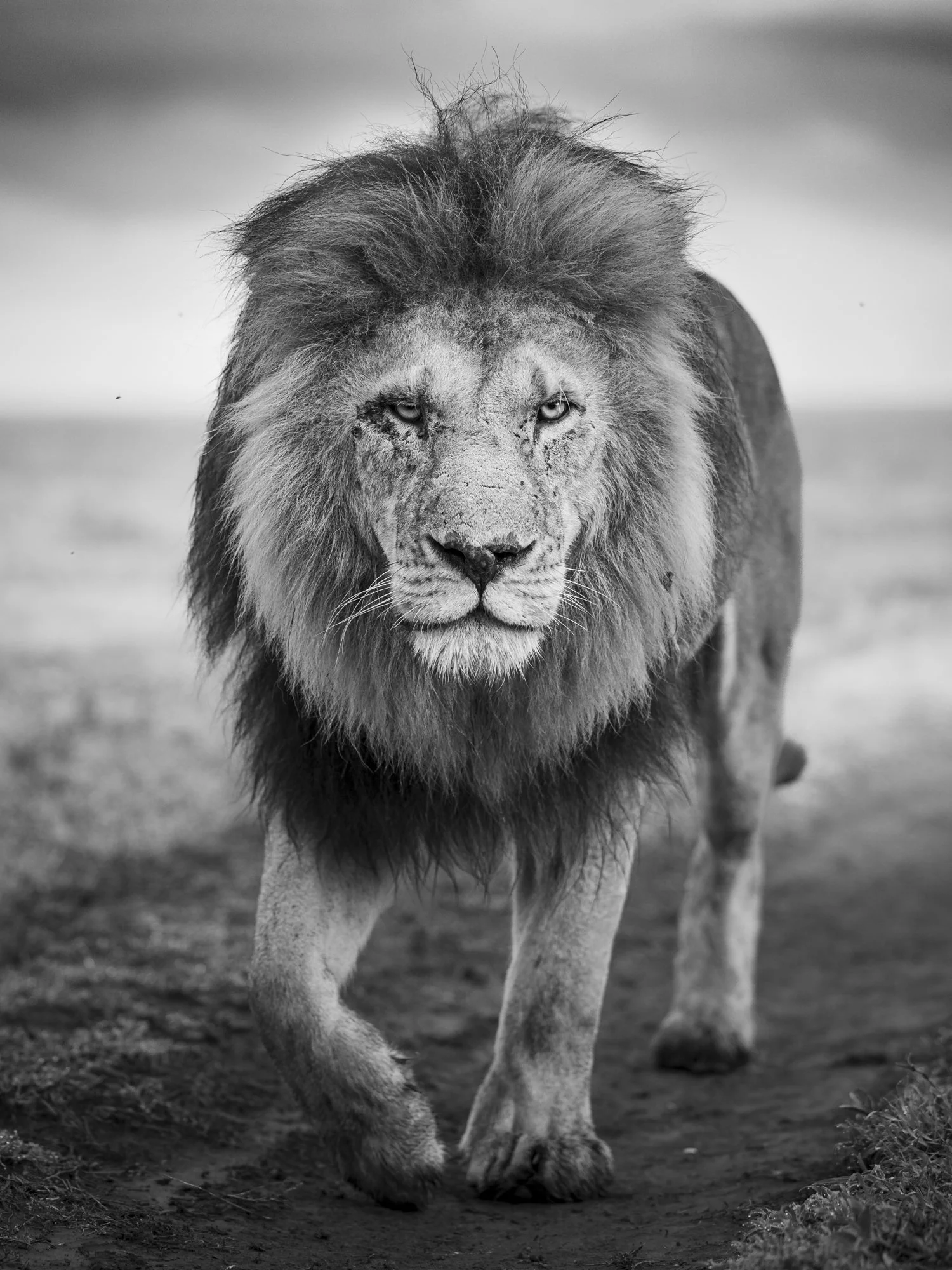
Image of male lion on Serengeti plains
4) Lion photography- capturing SOCIAL BONDS
Of all the big cats Lions have the strongest social bonds, whether that is cubs playing or the affection shown by the lion kings with brothers or lionesses when greeting. Capturing those moments of interaction is not only pure gold, but joyful to see.
However, as lions sleep for almost 20 hours in a day you must be alert as to when those interactions might be about to start. Finding a lion pride early in the morning just before or after sunrise, or in the late afternoon when they are still sleepy but about to start moving is key. The cubs are usually active first and whether playing with siblings or bothering mum or dad can deliver some emotional and often funny images.
However, once you see the males or females stretch and yawn, you know they to get active, and the possibility of getting lion photographs that capture these strong social bonds is close at hand, whether it’s the head bump or grooming between siblings. These images show the softer side of these magnificent and majestic big cats.
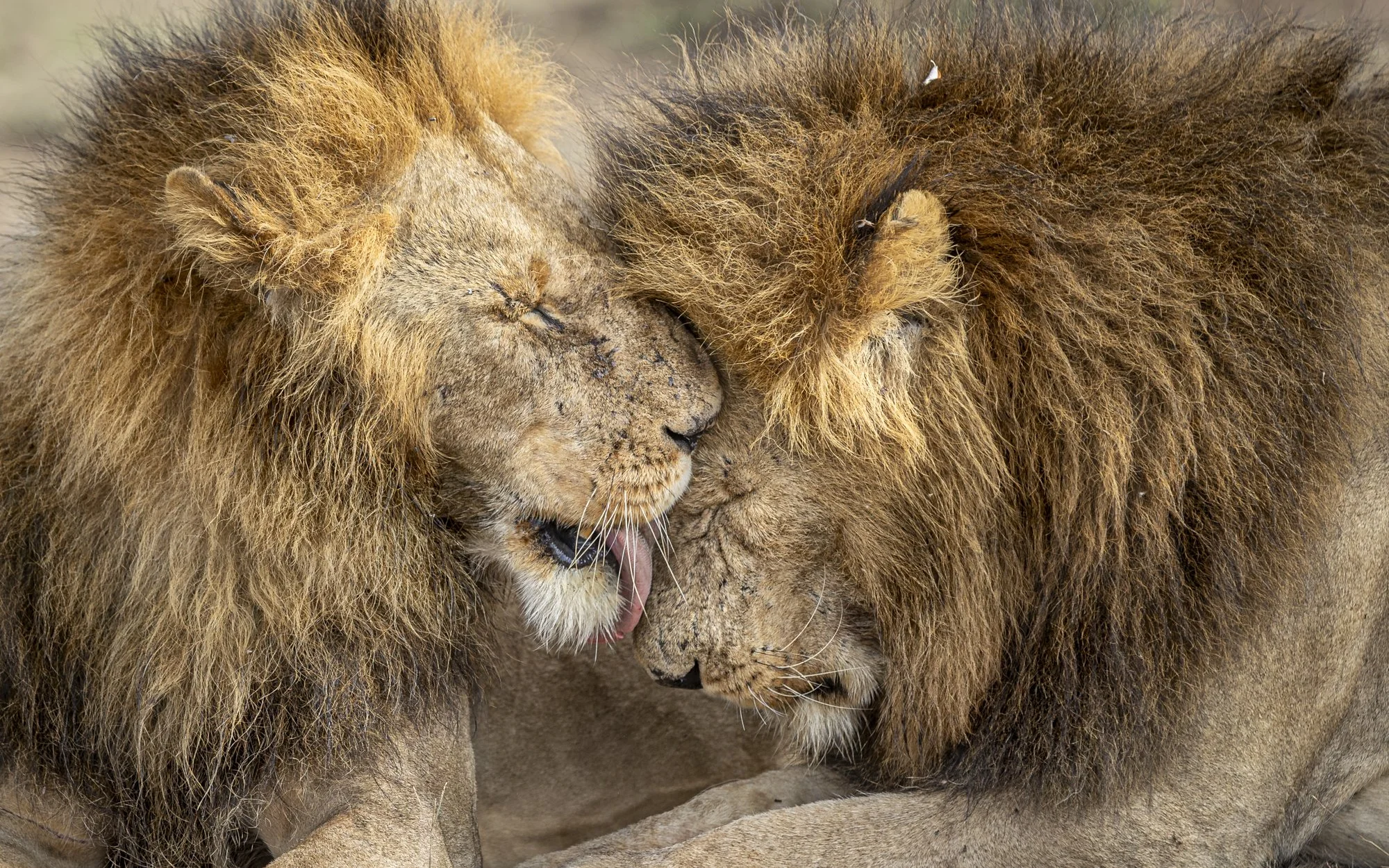
The bonds of two lion brothers
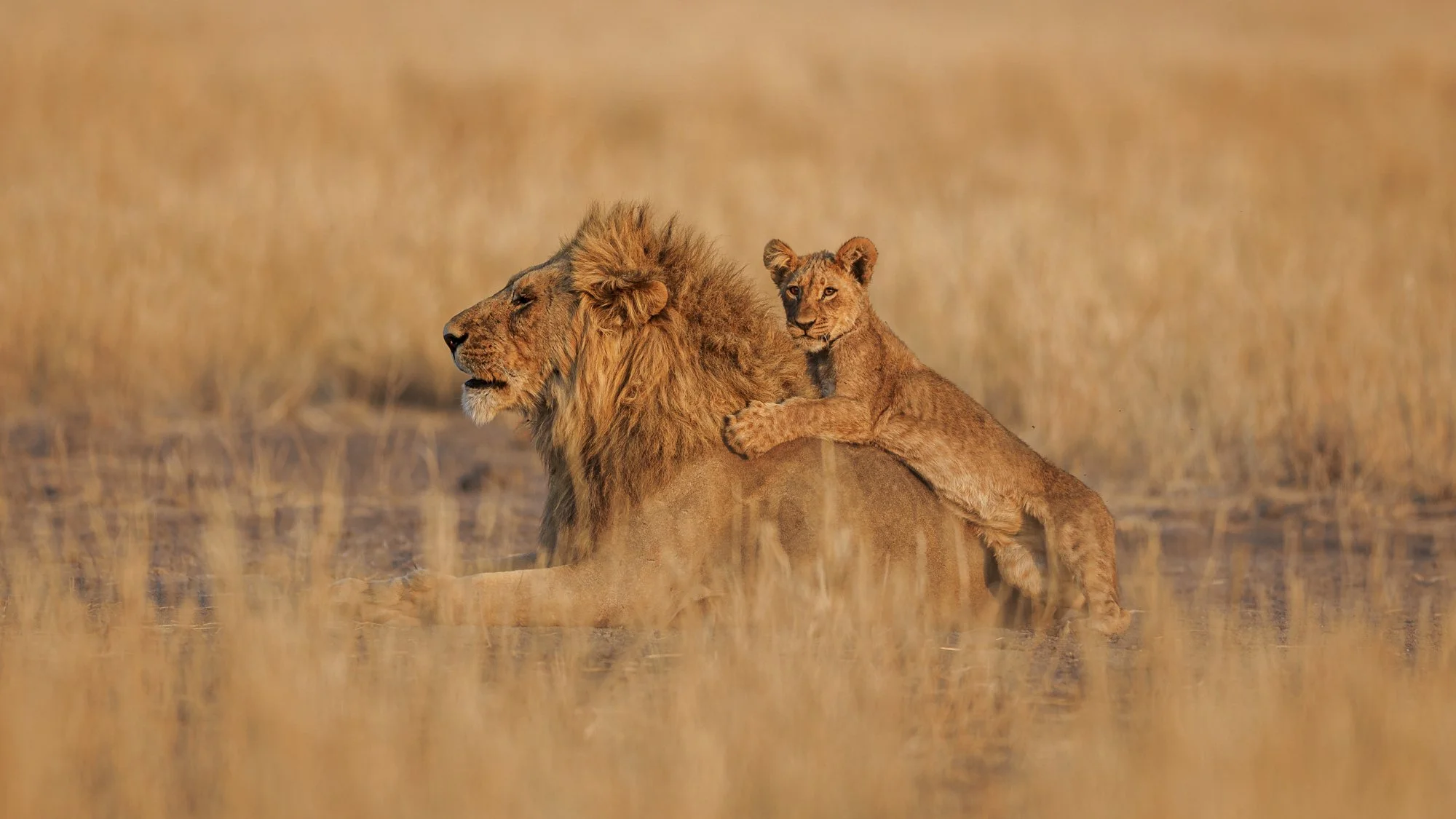
Image of Lion King and cub
5) lion photography- light is everything
It’s all about the light is a mantra for all photographers and particularly with wildlife. My best lion photographs have been taken pre 9am or post 4pm, when the sun is lower in the sky, the light is softer and tones add a warm glow.
This first image below of Saning’o was taken just after sunrise. The rising sun illuminates the lion’s mane and eyes. It’s one of the most ethereal images I have ever taken of a lion.
In contrast the silhouette of the lion king was taken at nightfall in the Serengeti as we were heading back to camp. It still gives me chills thinking about this moment and shows that even after the sun has gone down there are evocative images of lions that can capture their majesty.
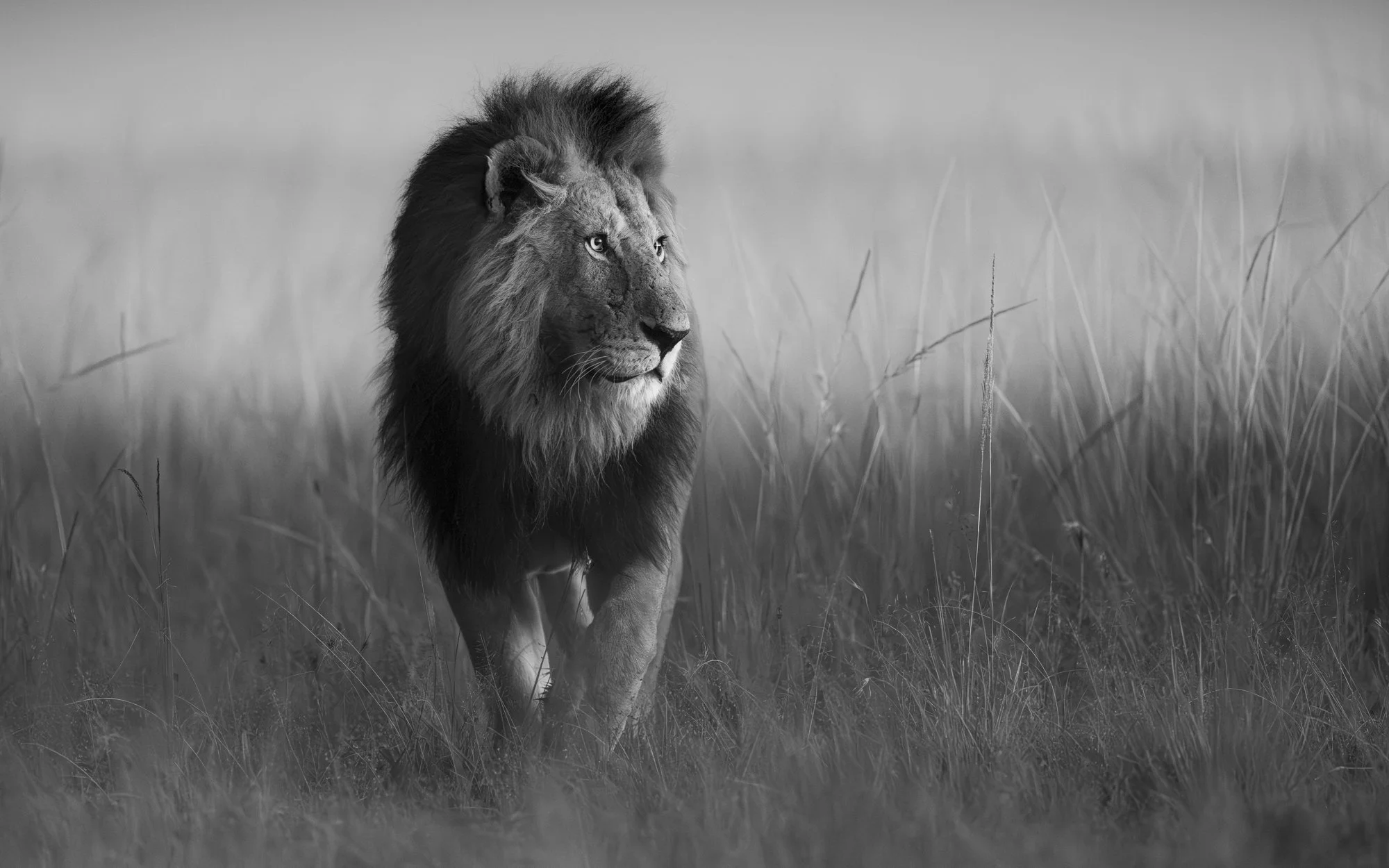
Image of male lion Saning'o after sunrise
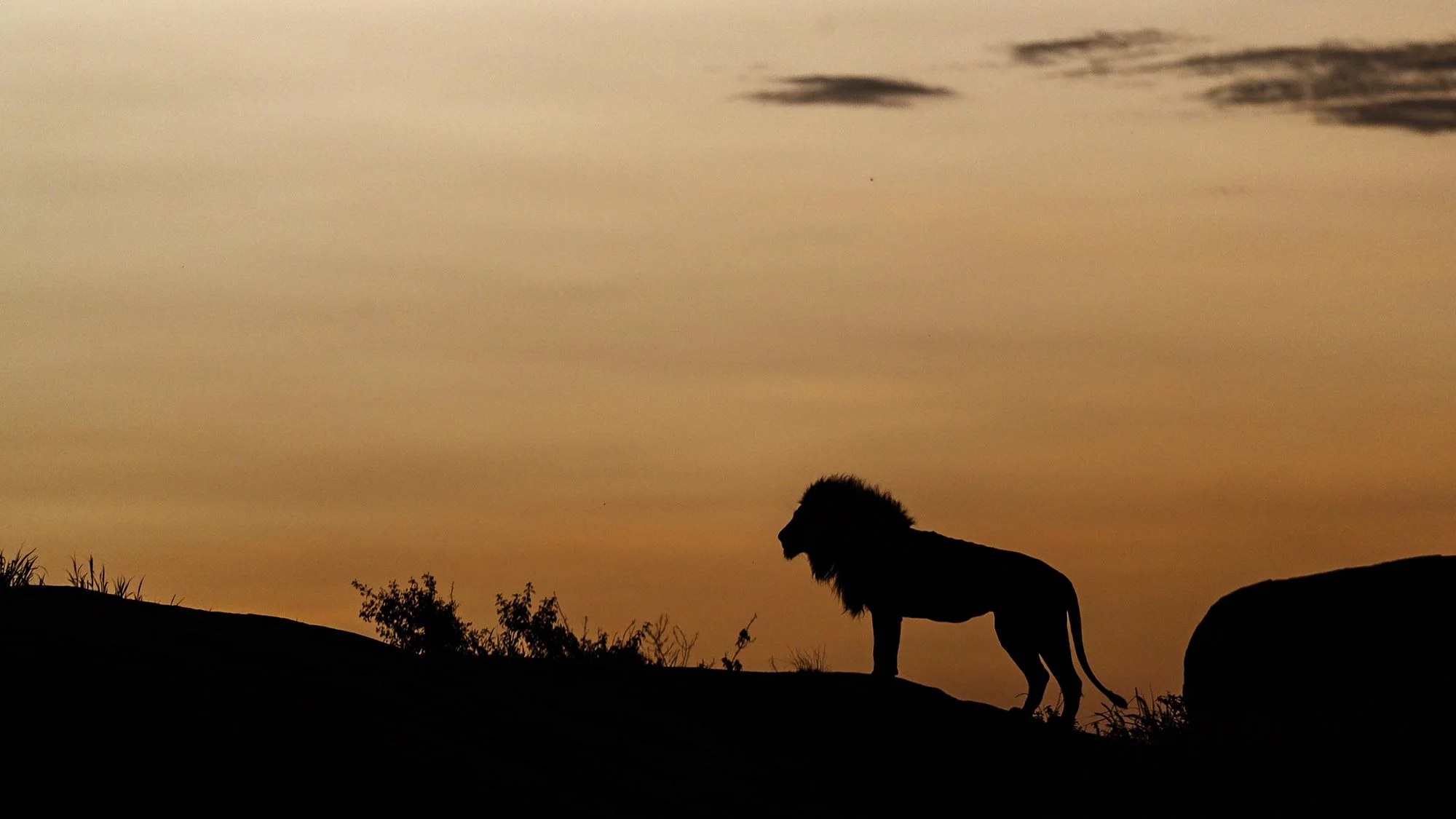
Silhouette image of a Lion King
My favourite destinations for great Lion Photography
My photography journey started 20 years ago with Paul Goldtsein at the Kicheche camps spread across four conservancies in the Mara- Olare Motorogi, Mara North, Naboisho and Laikipia. I have had exceptional lion encounters in the three conservancies adjacent to the main reserve. The lion density in each compared to number of vehicles (max 6 on a sighting) make for fantastic lion photography, as well as the other big cats.
Sadly, I wouldn’t recommend the Main Mara reserve due to over tourism.
My favourite times to go are the Green Season- Feb & Mar and Oct & Nov where the early rains give you incredible skies in the late afternoon.
2) Serengeti
The Serengeti has become my favourite place for lion photograph, especially lion king photography. I written extensively about how to plan a Serengeti safari in a recent blog here. The lions of the Serengeti were also one of the subjects for my Limited Edition Print Collection- see here. I don’t think there is anywhere quite like it to capture the full majesty of lions in the place they have called home for millenia.
3) Mokete
I visited Mokete, Botswana to meet up with my good friend Russell Mclaughlin who has been shooting a documentary there for the last two years. I was blown away by not only the density of lions but the amount of potential prey, with buffalo numbers in the thousands. The lion photography here was raw and wild.
It’s a new, emerging destination for lion photography because of the daily interactions between predator and prey. Read more about Mokete by clicking on the link.
4) On my Wish list- Nambibia, Kalahari
Later in the year I will be visiting Namibia for the first time with Tom Way and Richard Peters, and high on my wish list is to photograph the Desert Lion, a unique population of the African lion found on the Skeleton Coast. I would be so thrilled if I was able to capture these magnificent and resilient lions in such a unique habitat.
Another unique habitat that I want to explore in the next 18 months is the Kalahari, specifically to photograph the iconic dark maned lions found in this harsh desert environment. The photographer guide that I would choose to travel with on this endeavor would be award winning photographer Hannes Lochner. His lion photography is both exceptional and creative and I know he would be a great photographer guide I could learn from.
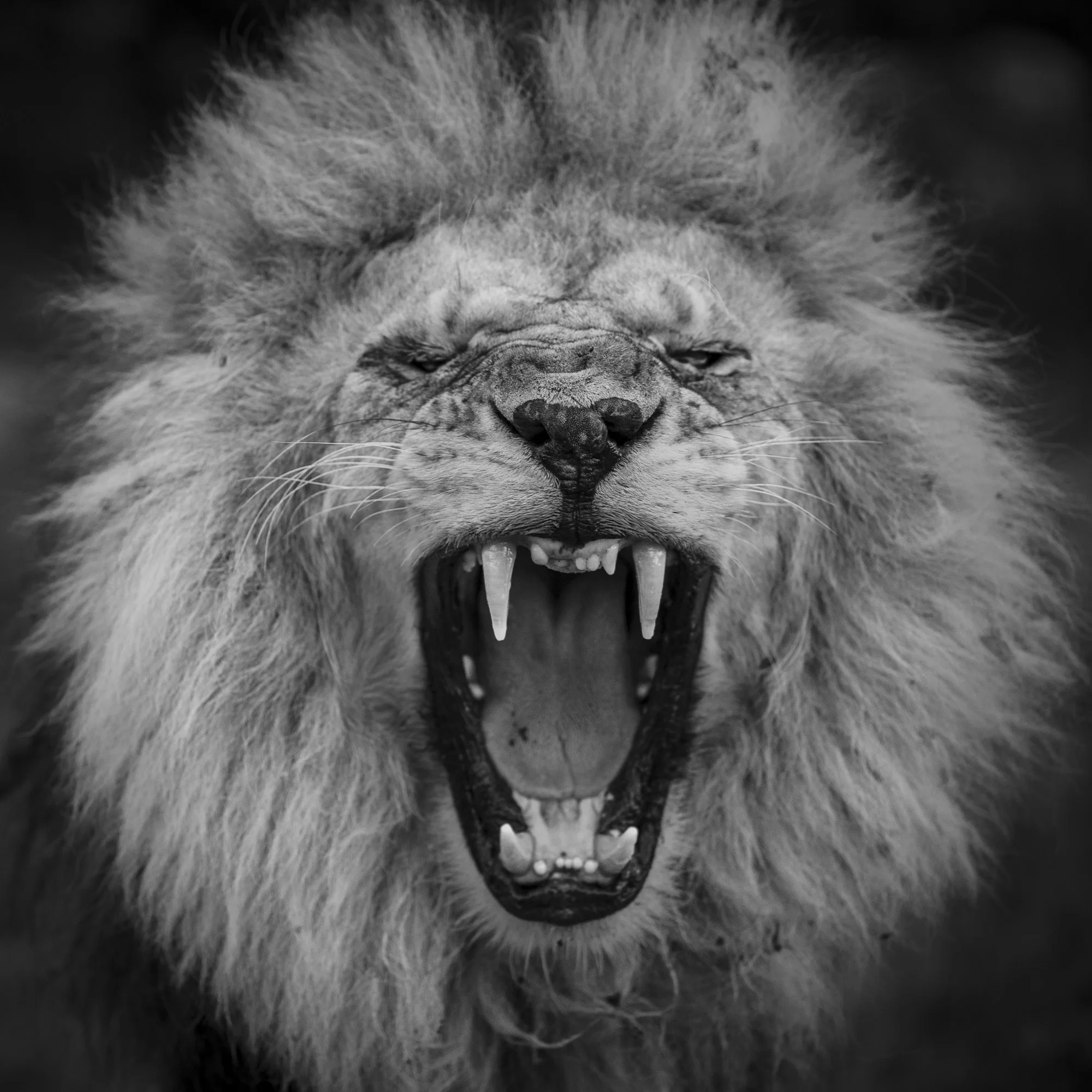
Black and white Lion portrait
5 facts about lions in africa
1) Only 23,000 lions are left in the wild
Lions are classed as vulnerable species by the ICUN due to the populations of lions decreasing by 43% over the last two decades but some African populations are classed as critically endangered, alongside the endangered Asiatic lion. The biggest threats to lions are poaching and habitat loss.
Lions face a multitude of different threats. From habitat loss and fragmentation to climate change and the reduction of available prey. As well as this, lions are targeted by trophy hunters.
2) Lions can weigh up to 250kg
Male African lions can weigh between 150kg and 250kg, at their heaviest, equivalent to 39 stone. Female African lions weigh slightly less, up to 180kg, which is still an impressive 28 stone. Lions can eat up to 40kg of meat in a single meal which is approximately 25% of their body weight.
3) A lion’s mane can grow up to 16cm long
A lion’s mane helps it to appear larger and more threatening towards potential rivals, growing up to an incredible 16cm long. The color of the mane indicates strength and health; darker, fuller manes are more attractive to females and signal higher testosterone levels
4) They are the only cats to roar together and the loudest
Lions roar to protect their territory and ward off potential rivals, and when they are communicating with the rest of their pride. They are the only species of cat to roar together. Lion cubs will also sometimes try to join in, once they reach 2-3 months old. A lion's roar is the loudest of any big cat. Reaching up to 114 decibels, it can be heard by other animals from up to 8 km (5 miles) away
5) Lions can live up to 20 years
Female lions tend to live longer than male lions. Overall, the average lifespan of a wild lion is 10-14 years, but they can live for up to 20 years
HOW CAN YOU SUPPORT LION CONSERVATION?
With only 23,000 lions left in the wild lions are facing many threats to their existence. One of the charities I support is the Great Plains Big Cats Initiative managed by renowned film makers Beverly and Dereck Joubert which helps fund projects across Africa designed to protect habitats of Big Cats and reduce human-wildlife conflict.
Another great conservation charity is the Mara Predator Conservation Trust who are doing incredible work helping to support the challenges faced by both lions and cheetah in the Mara Ecosystem.
Finally, a reminder that 15% of all my print sales goes to help support conservation charities such as Great Plains Big Cats Initiative. It’s a commitment that has helped raised thousands for conservation and one I am really proud of.
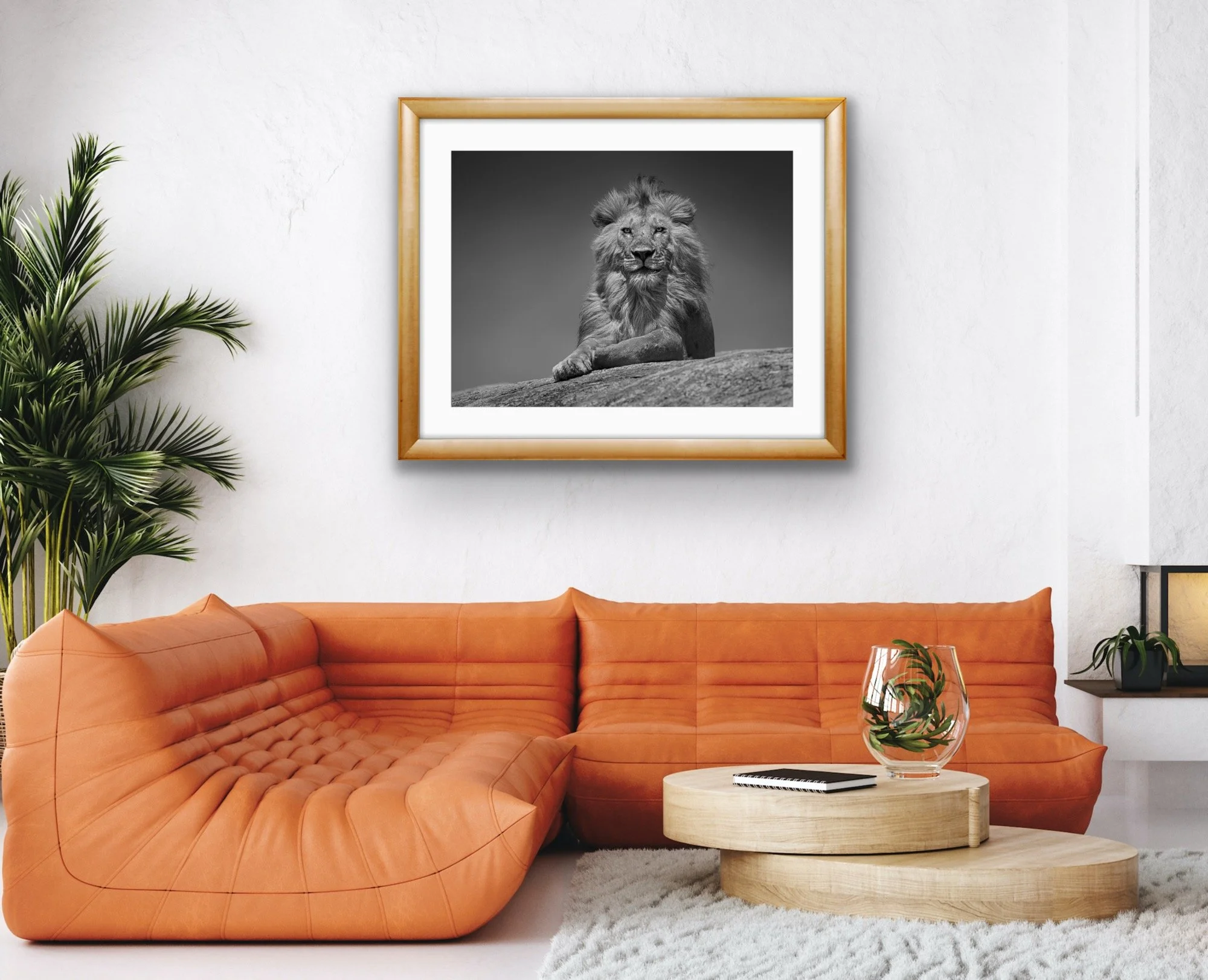
Limited Edition print "Golden Boy" in a Living Room setting
Thank you for taking the time for reading this blog on Lion Photography and hope you got some useful tips and insights in how to capture Lion Majesty. If you are interested in purchasing one of these images, many are available as limited edition prints in my Print Shop in the Serengeti Lions section. If there are others you would be interested in please get in contact here as I also do bespoke print commissions.
As ever you time and feedback is much appreciated.
Jules

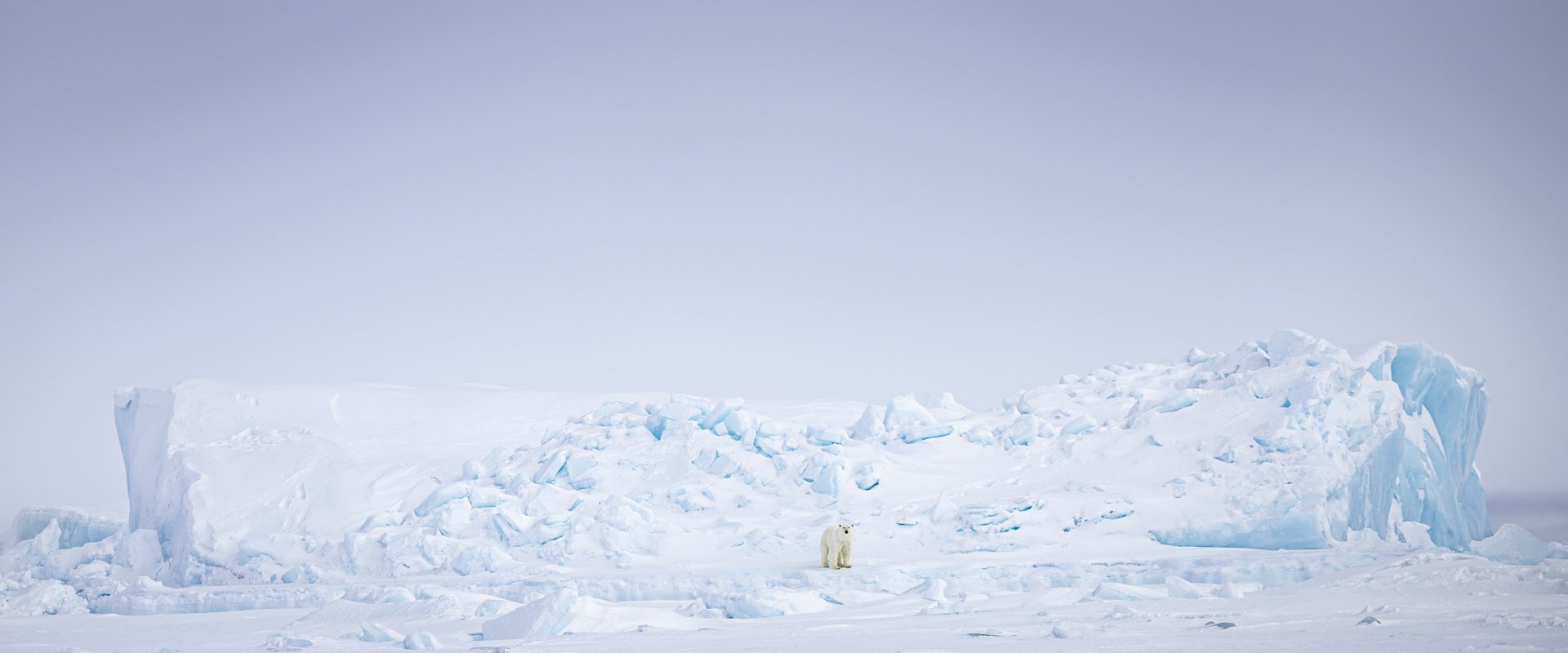
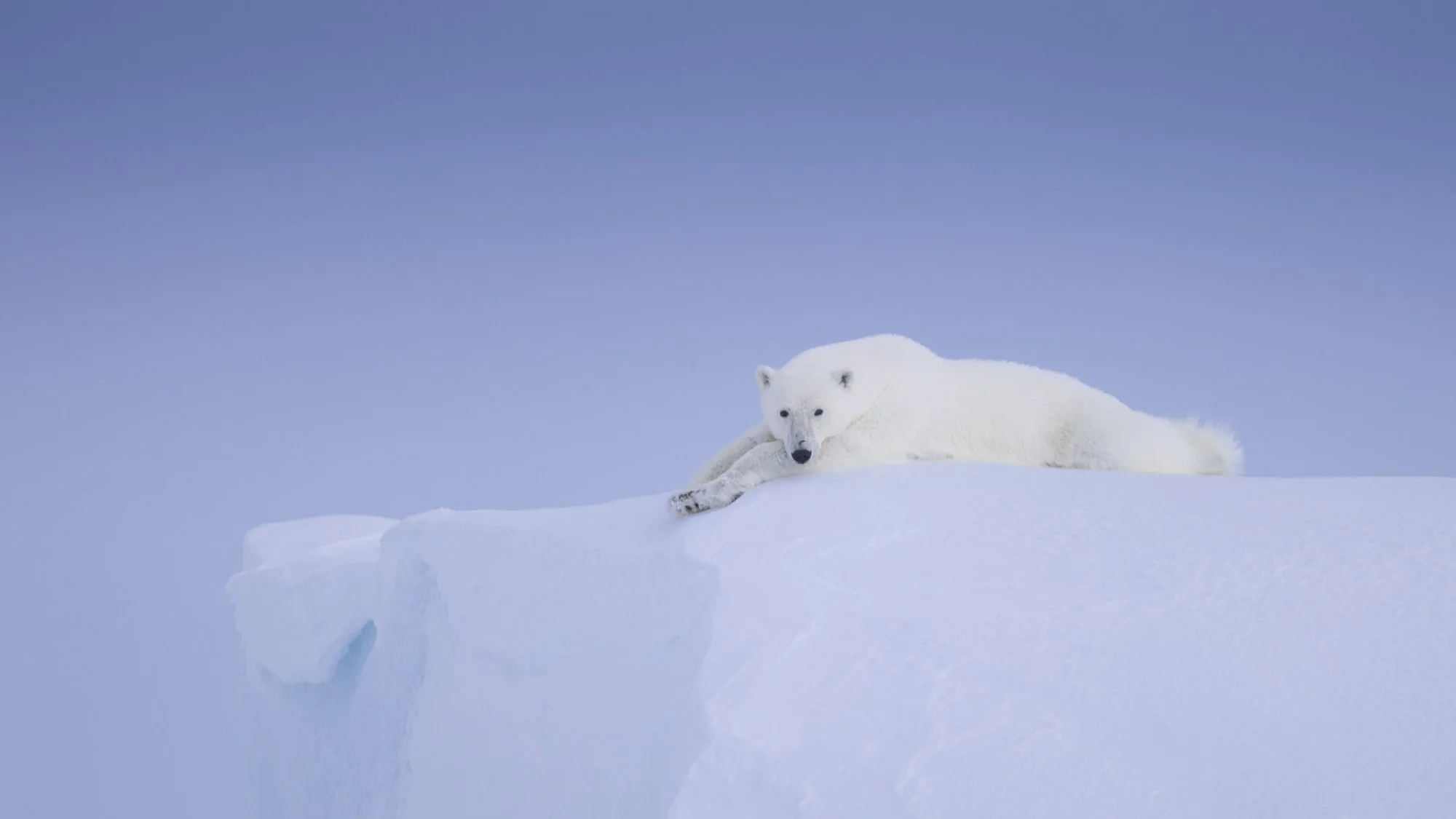
Svalbard, 2009
This was my first sighting of a polar bear taken nearly 20 years ago and I couldn't have asked for a more epic Arctic vista for my first encounter in Svalbard.
✓ Museum archival giclée paper
✓ Hand-signed & numbered by Jules
✓ Certificate of authenticity
✓ 15% to conservation
✓ Worldwide shipping
✓ Free UK delivery
The Full Story Behind The Photo
This was my first sighting of a polar bear taken in Svalbard nearly 20 years ago, yet I still remember it vividly. The excitement onboard our icebreaker the Vavivlov was palpable, especially as the scene itself was so breathtaking. The polar bear looked tiny as it walked along the shoreline framed by the towering glaciers. I couldn’t have asked for a more epic Arctic vista for my first Polar Bear encounter. I’ve had closer sightings of bears in Svalbard, but this image holds a special place for me as one of my favourite “animal in environment” images and reflects why it is so important to not only protect polar bears but also this pristine Arctic environment.
Print Specification
All prints are printed on Canson® Infinity Rag Photographique which is a 100% cotton museum grade white Fine Art and photo paper.
Canson® Infinity Rag Photographique offers a unique extra smooth surface with a sensual feel. It has been developed to address the need for continued longevity requirements in the Digital Fine Art market.
Shipping & Delivery
Delivery is from the United Kingdom and is included free with the purchase of all prints. Delivery is by FedEx, DHL, UPS, or DPD depending on location. Once your order is shipped you will receive an email with your tracking number. Please allow up to two weeks to fulfil your order plus one week for delivery.
Conservation Impact
As with all images in the collections, 15% of the proceeds from each image will be split between four charities- Kicheche Community Trust, Great Plains Foundation, Big Cat Initiative & Sheldrick Wildlife Trust. Learn more about giving back, here.